
Solar power converts sunlight into usable electricity through panels made of photovoltaic (PV) cells, and for most U.S. homeowners in 2026, a mid-size system pays for itself in roughly 7–10 years through utility bill savings and tax incentives. That’s the short answer. But whether solar actually makes sense for your roof, budget, and location depends on a handful of numbers — system size, local sun hours, electricity rates, and incentive eligibility — that we’ll walk through below, step by step, so you can go from “curious” to “confident” in one read.
Quick Summary Box
| Takeaway | What You Need to Know |
|---|---|
| How it works | Panels convert sunlight to DC electricity; an inverter turns it into usable AC power for your home |
| Average cost | Roughly $16,000–$24,000 before incentives for a typical 6–10 kW residential system |
| Payback period | Most homeowners break even in 7–10 years, then save for the system’s remaining 15–20+ year life |
| Federal incentive | The federal solar tax credit can offset a significant share of installation costs for qualifying systems |
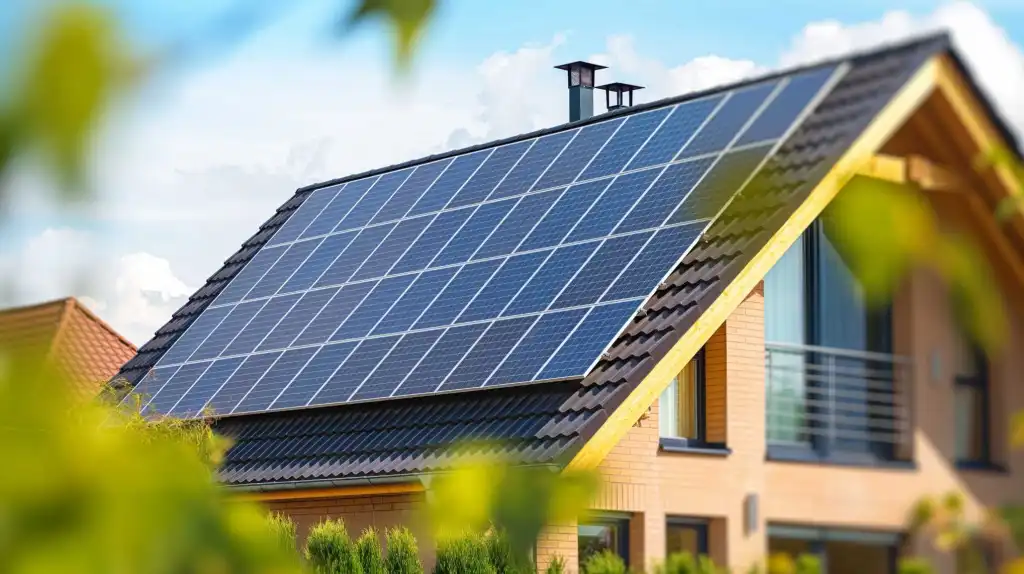
| Best fit | Homes with south- or west-facing roofs, minimal shade, and moderate-to-high electricity rates see the fastest returns |
What Is Solar Energy, Really?
Solar energy is electricity generated by capturing sunlight and converting it through the photovoltaic effect — when photons strike a semiconductor (usually silicon), they knock electrons loose and create a flow of current. That’s the entire principle behind every rooftop panel you’ve seen.
The Three Core Components
1. Solar Panels (Modules) Made of interconnected PV cells, panels generate direct current (DC) electricity. Residential panels today typically range from 350–450 watts each, with premium panels pushing past 500W.
2. The Inverter Your home runs on alternating current (AC), not DC, so an inverter converts the panel’s output into something your appliances can actually use. There are three common types: string inverters (most affordable, one unit for the whole array), microinverters (one per panel, better for shaded or complex roofs), and power optimizers (a hybrid approach).
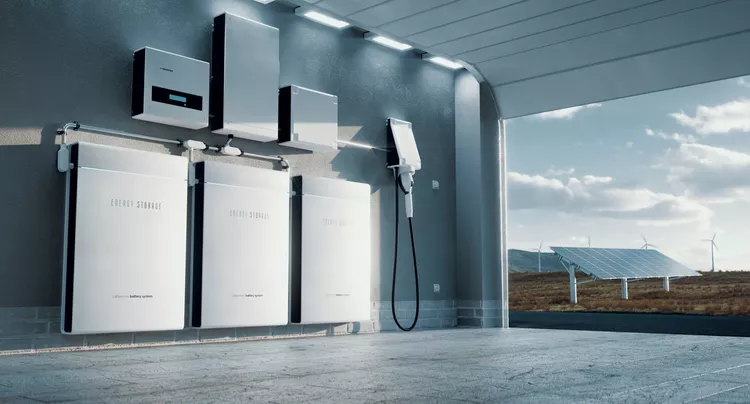
3. Racking and Balance of System The mounting hardware, wiring, monitoring software, and (optionally) battery storage that hold everything together and let you track performance in real time.
How Much Electricity Does Solar Actually Produce?
Output depends on three variables: system size (kW), local sun hours (peak sun hours per day, which vary by region), and panel efficiency (most modern panels convert 18–22% of sunlight into electricity).
A rough formula:
Daily kWh = System Size (kW) × Peak Sun Hours × 0.75 (derate factor for losses)
So a 6 kW system in a region averaging 5 peak sun hours per day would produce roughly: 6 × 5 × 0.75 = 22.5 kWh/day, or about 675 kWh/month — enough to cover a significant chunk of the average U.S. household’s monthly usage.
What Does a Solar System Actually Cost in 2026?
Costs vary by system size, panel brand, roof complexity, and region, but here’s a realistic breakdown before incentives:
H3: Typical Residential System Costs
| System Size | Estimated Cost Range (Before Incentives) | Homes It Typically Fits |
|---|---|---|
| 4 kW | $10,000–$14,000 | Small homes, low usage |
| 6 kW | $15,000–$20,000 | Average 3-bedroom home |
| 8 kW | $19,000–$25,000 | Larger homes, moderate-high usage |
| 10 kW | $23,000–$30,000 | High-usage households, EV owners |
These figures reflect typical market ranges and can shift with material costs, labor rates, and local permitting fees — always get at least two to three local quotes before deciding.

Solar Incentives: What Actually Lowers the Price
Beyond the federal tax credit, many states and utilities offer additional programs: state tax credits, rebates for battery storage, net metering (where you’re credited for excess power sent back to the grid), and performance-based incentives that pay you per kWh produced. Availability and value vary significantly by state, so this is one area worth checking against your specific location before running the numbers.
Solar Financing: Buy, Loan, or Lease?
Cash Purchase
Highest upfront cost, but you own the system outright, qualify for the full tax credit, and get the best long-term return.
Solar Loan
Spreads the cost over time (typically 10–20 years) while you still own the system and claim incentives — monthly payments are often close to or lower than your old utility bill.
Solar Lease / PPA (Power Purchase Agreement)
No upfront cost and simple maintenance, but you don’t own the system, generally can’t claim the tax credit, and savings tend to be smaller than ownership over the long run.
How Long Does Installation Actually Take?
From signed contract to flipped switch, most residential installs take 60–120 days total — but the physical installation itself is usually just 1–3 days. The rest of the timeline is permitting, utility approval, and inspection, which varies heavily by jurisdiction.
Common Beginner Mistakes to Avoid
- Undersizing the system to save money upfront, then needing an expensive expansion later
- Skipping a shade analysis, which can silently cut production by 20-30%
- Not comparing multiple quotes — pricing per watt can vary substantially between installers
- Ignoring roof age — a 20-year-old roof may need replacing before solar goes on, adding cost and complexity later
- Overlooking monitoring — without a monitoring app, you won’t catch underperformance until your bill arrives
Solar Panel Types Compared
| Panel Type | Efficiency | Typical Cost | Best For |
|---|---|---|---|
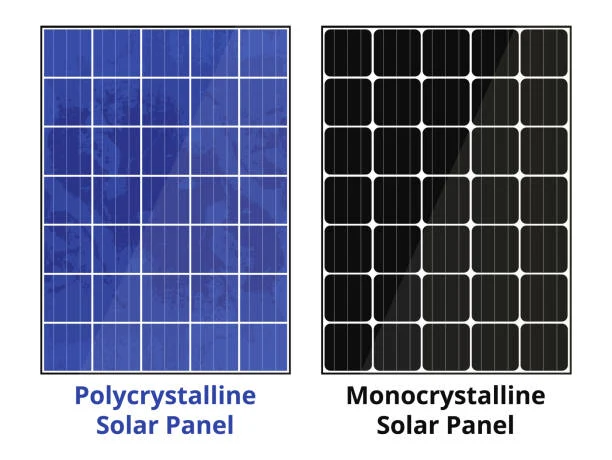
| Monocrystalline | 18–22% | $$$ | Limited roof space, best long-term output |
| Polycrystalline | 15–17% | $$ | Budget-conscious buyers with ample roof space |
| Thin-Film | 10–13% | $ | Large flat surfaces, unconventional installs |
Bottom Line
Solar makes the most financial sense if you own your home, have decent roof sun exposure, and plan to stay put for at least 7–10 years to capture the payback window. For most Tier-1 homeowners facing moderate-to-high electricity rates, a cash-purchased or loan-financed 6–8 kW monocrystalline system paired with net metering offers the strongest long-term return. If you’re not ready to commit to ownership, a lease can still cut your bills modestly with zero upfront risk — just know you’re trading long-term savings for short-term simplicity.