
If you just want a name: REC and Qcells are the two most-purchased residential brands in the U.S. in 2026, and for most homeowners, one of them is the right call. SunPower/Maxeon still leads on raw efficiency and warranty length if you have a small roof and money isn’t the deciding factor. Canadian Solar and LONGi are the smartest picks if you have plenty of roof space and want to keep upfront costs down. Below, we break down the specs, pricing, and trade-offs for seven Tier 1 brands so you can match a panel to your roof, your climate, and your budget — not just a sales pitch.
Quick Summary
| 🏆 Best overall value | Qcells Q.TRON — strong efficiency, domestic manufacturing, 25–30 year warranty |
| ⚡ Best efficiency | SunPower/Maxeon 7 — up to ~24% efficiency, 40-year warranty |
| 🌡️ Best for hot climates | REC Alpha Pure-RX — -0.24%/°C temperature coefficient |
| 💰 Best budget pick | Canadian Solar HiKu7/TOPHiKu7 or LONGi Hi-MO 7 — lowest cost per watt |
| 📋 Industry standard in 2026 | N-type TOPCon cells, replacing older P-type PERC panels almost entirely |
How We Compared These Brands
Panel shopping gets confusing fast because every manufacturer highlights a different number. We focused on the four metrics that actually determine how much electricity your system produces over 25 years, and what it costs you to get there.
Efficiency
This is the percentage of sunlight a panel converts into usable electricity. In 2026, premium panels run 22–24%, mid-range panels sit around 20–22%, and budget panels land at 19–20%. Efficiency matters most when your roof space is limited — a higher-efficiency panel packs more wattage into the same square footage, which can mean the difference between fitting a full system on a small roof or not.
Degradation Rate and Warranty
A panel’s nameplate wattage is a day-one number. What matters more is how much output it loses every year after that. Look for degradation under 0.5% annually and a product warranty of at least 25 years. A panel rated at 22% efficiency with a poor degradation rate can lose noticeably more output over its lifespan than a similarly rated panel engineered to hold its performance.
Temperature Coefficient
Panels lose efficiency as they heat up — typically 0.3–0.5% per degree Celsius above 25°C. Since panel surfaces run hotter than the surrounding air under direct sun, this matters a lot in places like Arizona, Texas, or Florida. A lower (better) temperature coefficient means less summer performance loss.
Price per Watt
Installed cost typically runs $2.50–$3.50 per watt in 2026, with premium panels commanding $3.00+ and budget-tier options coming in lower. The module itself is only part of that number — labor, permitting, and equipment make up the rest, which is why the same panel can cost different amounts depending on your installer and state.
Top Solar Panel Brands for 2026
1. SunPower / Maxeon — Best for Maximum Efficiency
Maxeon’s 7th-generation panels remain the efficiency benchmark in 2026, using interdigitated back contact (IBC) cell technology to push output higher than almost anything else on the market. The tradeoff is price: expect to pay a real premium over TOPCon alternatives.
- Efficiency: Up to ~24%
- Warranty: 40-year product and performance warranty
- Best for: Small or shaded roofs, long-term homeowners who want the ceiling on technology
2. REC Group — Best for Hot Climates
REC’s Alpha Pure-RX line uses heterojunction (HJT) cell technology, which delivers a best-in-class temperature coefficient. That means less power loss on the hottest days of the year, which adds up over a 25-year lifespan.
- Efficiency: ~22.1%
- Temperature coefficient: -0.24%/°C
- Warranty: 25 years, 0.25%/year degradation
- Watch for: Thinner installer coverage in some U.S. regions and longer lead times during peak season
3. Qcells — Best Overall Value
Qcells splits its residential lineup between the value-focused Q.PEAK DUO and the higher-efficiency Q.TRON. Its Georgia factory qualifies for domestic content bonuses, which insulates it from the import tariffs affecting Southeast Asian and Chinese-made panels. It’s currently one of the two most-purchased residential brands in the U.S.
- Efficiency: Up to 22.5% (Q.TRON)
- Warranty: Up to 30 years, guaranteeing 92.5% output at year 30 on top-tier models
- Best for: Buyers who want strong specs without paying the Maxeon premium
4. Canadian Solar — Best Budget-Friendly Pick
Canadian Solar has been in the industry since 2001 and manufactures primarily across Southeast Asia. Its TOPHiKu7 line uses N-type TOPCon cells and consistently undercuts premium brands on price while still delivering genuine Tier 1 performance.
- Efficiency: ~22.5%
- Warranty: 25 years, 87.4% output guaranteed at year 30
- Best for: Large, unshaded roofs where cost per watt matters more than squeezing out every last percentage point of efficiency
5. LONGi — Best Value Alternative
LONGi’s Hi-MO 7 is frequently paired with Canadian Solar as the go-to budget recommendation among installers, offering solid TOPCon performance at a competitive price point.
- Efficiency: ~21–22%
- Best for: Homeowners prioritizing return on investment over top-line specs
6. Silfab — Best for North American Manufacturing
Silfab manufactures in Canada and Washington State, appealing to buyers who want to minimize import exposure and support domestic supply chains, while still delivering premium-tier performance and reliability.
- Best for: Buyers prioritizing North American-made components and installer reputation
7. Hyundai — Rising Domestic Contender
Hyundai’s 440W N-Type TOPCon panel has picked up attention in 2026 for combining strong specs with U.S. assembly and domestic content certification.
- Efficiency: Up to 22.5%, bifacial, all-black design
- Warranty: Up to 30 years
- Best for: Buyers who want a newer entrant with aggressive warranty terms
Comparison Table: Best Solar Panel Brands 2026
| Brand | Efficiency | Cell Type | Warranty | Degradation/Year | Est. Price per Watt (Installed) | Best For |
|---|---|---|---|---|---|---|
| SunPower/Maxeon 7 | ~24% | IBC | 40 years | ~0.25% | $3.00–$3.50+ | Small roofs, max efficiency |
| REC Alpha Pure-RX | ~22.1% | HJT | 25 years | ~0.25% | $2.90–$3.20 | Hot climates |
| Qcells Q.TRON | Up to 22.5% | N-type TOPCon | Up to 30 years | ~0.25% | $2.80–$3.45 | Overall value, US-made |
| Canadian Solar TOPHiKu7 | ~22.5% | N-type TOPCon | 25 years | ~0.40% | $2.50–$2.85 | Large roofs, budget |
| LONGi Hi-MO 7 | ~21–22% | N-type TOPCon | 25 years | ~0.40% | $2.50–$2.85 | Budget value |
| Silfab | ~21–22% | N-type TOPCon | 25 years | ~0.40% | $2.85–$3.20 | North American manufacturing |
| Hyundai 440W | Up to 22.5% | N-type TOPCon | Up to 30 years | ~0.33% | $2.70–$3.10 | Domestic assembly, aggressive warranty |
Pricing reflects typical installed cost per watt before incentives, based on 2026 market data. Actual quotes vary by installer, state, and system design.
What’s New in 2026: TOPCon Has Taken Over
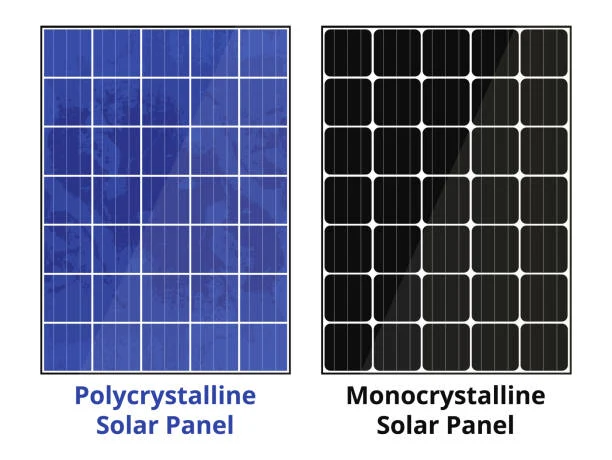
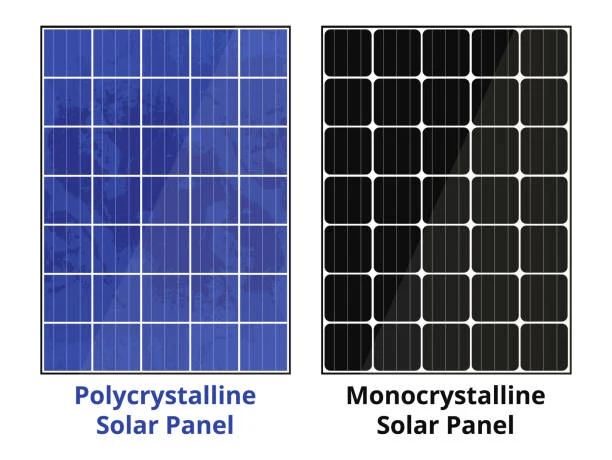
If you compared panels a few years ago, you were mostly choosing between P-type PERC options. That’s changed. N-type TOPCon is now the mainstream standard — virtually every Tier 1 brand, including Jinko, LONGi, Qcells, and Canadian Solar, ships TOPCon panels as their default residential line, with PERC fading out. HJT (used by REC) and IBC (used by Maxeon) remain the premium tiers above TOPCon, commanding a price premium for their efficiency and temperature performance gains.
Another 2026-specific factor: the federal residential solar tax credit under Section 25D is no longer available for new installations this year, which makes getting accurate, current local quotes more important than ever — national averages only get you so far.
How to Choose Between Them
- Small or shaded roof: prioritize efficiency — Maxeon or REC.
- Hot climate: prioritize temperature coefficient — REC.
- Large, unshaded roof: prioritize price per watt — Canadian Solar or LONGi.
- Want a balance of both: Qcells is the most common “no regrets” pick among U.S. installers right now.
- Care about where it’s built: Qcells (Georgia), Silfab (Canada/Washington), and Hyundai (U.S. assembly) all offer domestic or North American manufacturing.
Bottom Line
For most homeowners, Qcells or REC will deliver the best balance of performance, warranty, and price in 2026 — Qcells if you want domestic manufacturing and a lower entry price, REC if you’re in a hot climate and want the best possible temperature performance. If your roof is small and budget isn’t the constraint, SunPower/Maxeon still wins on pure efficiency and warranty length. If you’ve got roof space to spare, Canadian Solar or LONGi will get you a Tier 1 system for meaningfully less money. There’s no single “best” brand — there’s the best brand for your specific roof, climate, and budget.