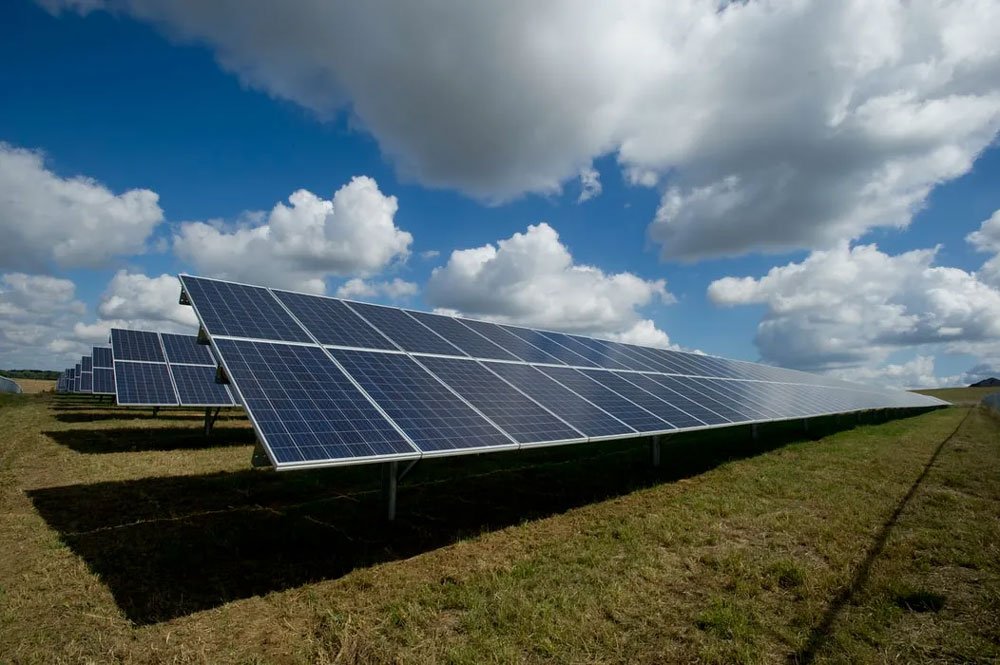

Solar panels do work in cold and cloudy climates, they typically pay for themselves in 6–10 years, and they need almost no maintenance. Those three facts alone debunk the myths that stop most homeowners from going solar. But the details — the actual numbers behind efficiency loss, payback timelines, and roof warranties — matter more than the headline claims. Below, we break down the five most persistent solar myths, back each one with real data, and show you exactly what to expect if you install a system in 2026.
⚡ Quick Summary Box
| Myth | Reality | Key Data Point |
|---|---|---|
| Solar doesn’t work in cold/cloudy weather | Panels perform better in cold air; cloudy days cut output, not eliminate it | Panels lose ~0.3–0.5% efficiency per °C above 25°C — cold weather helps |
| Solar is too expensive to pay off | Average U.S./EU payback period is 6–10 years against a 25–30 year lifespan | Typical residential system: $16,000–$22,000 before incentives |
| Solar panels need constant maintenance | Panels need cleaning 1–2x per year at most; no moving parts to wear out | Average annual maintenance cost: $150–$300 |
| Solar panels damage your roof | Proper installation adds a protective layer and rarely voids roof warranties | Most installers offer 10–25 year workmanship warranties |
| Solar can’t power a whole home | With correct sizing and battery storage, full offset is achievable | A 6–8 kW system covers ~100% of an average household’s usage |
Myth #1: “Solar Panels Don’t Work in Cold or Cloudy Climates”
The Claim
People assume solar needs constant blazing sun to function, so cloudy regions or cold-winter climates are written off as “bad solar markets.”
The Reality
Solar panels generate electricity from light, not heat. In fact, photovoltaic (PV) cells are more efficient in cooler temperatures. Excess heat increases resistance in the panel’s semiconductor material, which actually reduces output.
The data:
- Most panels lose roughly 0.3–0.5% efficiency for every degree Celsius above 25°C (77°F).
- Countries like Germany and the UK — hardly sun belts — rank among the top solar-adopting nations in the world.
- On an overcast day, panels still typically produce 10–25% of their rated output, since diffused light still reaches the cells.
Snow Isn’t the Enemy Either
Snow cover temporarily reduces output, but panels are installed at an angle, and dark-colored panels absorb heat and shed snow faster than a typical rooftop. Some studies even show a post-snowmelt production boost from light reflecting off surrounding snow.
Myth #2: “Solar Panels Are Too Expensive to Ever Pay Off”
The Claim
Upfront costs scare people away before they look at the long-term math.
The Reality
Solar is a front-loaded investment with a long payback tail. A typical residential system (6–8 kW) costs $16,000–$22,000 before incentives, and less in markets with strong subsidy programs.
Payback breakdown:
- Average payback period: 6–10 years
- Panel lifespan: 25–30 years, meaning 15–20+ years of near-free electricity after breakeven
- Panels typically retain 80–90% of original output even after 25 years (average degradation: 0.5% per year)
What Actually Affects Payback Speed
- Local electricity rates — higher grid prices shorten payback
- Available incentives — tax credits, rebates, or feed-in tariffs
- System size vs. household usage — oversizing extends payback unnecessarily
- Financing method — cash purchase pays off faster than a loan with interest
Myth #3: “Solar Panels Require Constant Maintenance”
The Claim
People picture solar the way they picture a car — something needing regular servicing, parts, and upkeep.
The Reality
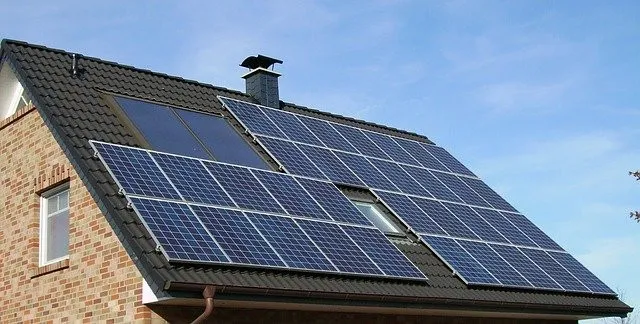
Solar panels have no moving parts, which is the core reason they’re so low-maintenance. There’s nothing to lubricate, replace, or wear down mechanically.
What maintenance actually looks like:
- Cleaning: 1–2 times per year (rain often handles this naturally in most climates)
- Inverter check: inverters typically last 10–15 years and may need one replacement over a system’s lifetime
- Annual maintenance cost: $150–$300, often just an optional professional inspection
When Panels Actually Need Attention
- Heavy dust, pollen, or bird droppings in dry climates
- Physical debris after storms
- Inverter fault alerts (most modern systems flag these automatically via app)
Myth #4: “Installing Solar Panels Will Damage Your Roof”
The Claim
Drilling mounts into a roof sounds like an invitation for leaks and structural damage.
The Reality
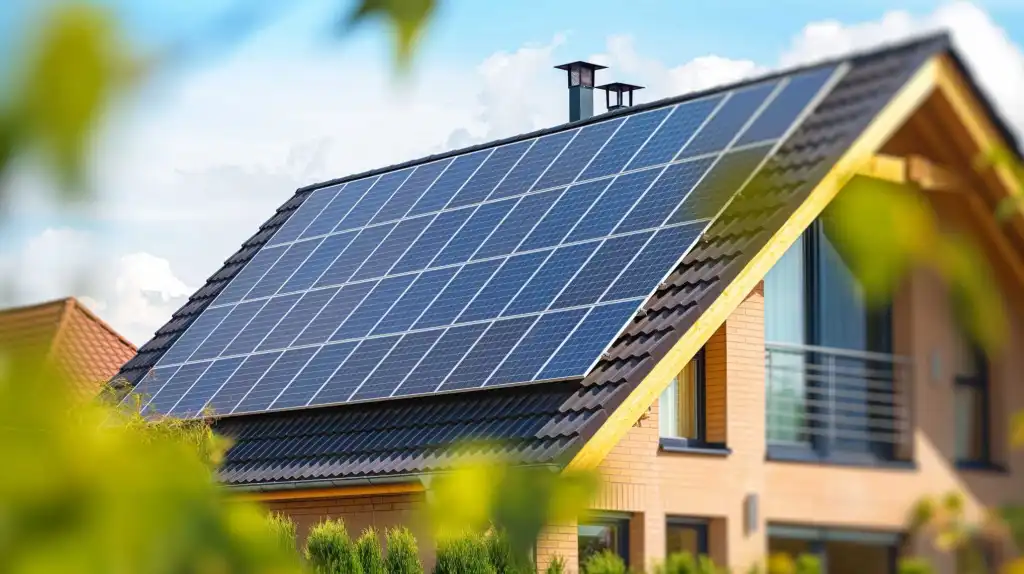
Professional installers use flashing and sealing techniques specifically designed to prevent leaks, and panels actually shield the covered roof section from UV exposure and weather, often extending that section’s lifespan.
The data:
- Most reputable installers offer 10–25 year workmanship warranties covering leaks or mounting damage
- Panel manufacturer warranties typically run 25 years on performance
- Roof damage from solar installation is rare when installed by a certified professional — most reported issues trace back to improper installation, not the panels themselves
What to Check Before Installing
- Roof age and remaining lifespan (ideally 15+ years left)
- Installer’s warranty terms in writing
- Whether your roofing material (asphalt, tile, metal) requires special mounting hardware
Myth #5: “Solar Panels Can’t Fully Power a Home”
The Claim
Solar is often seen as a “supplemental” energy source rather than a full replacement for grid power.
The Reality
With correct system sizing and, increasingly, battery storage, full or near-full energy offset is achievable for most households.
The data:
- An average household using ~10,000–12,000 kWh/year typically needs a 6–8 kW system for full offset
- Battery storage (10–13.5 kWh capacity is common) allows homes to use solar power at night or during outages
- Net metering programs let excess daytime production offset nighttime grid usage in many regions
Solar Myth vs. Reality: Full Comparison Table
| Factor | Myth | Reality | Supporting Data |
|---|---|---|---|
| Climate suitability | Only works in sunny/hot regions | Works in cold, cloudy, and temperate climates | Cold boosts efficiency (~0.3–0.5%/°C below 25°C) |
| Cost & payback | Never pays for itself | Pays off in 6–10 years, lasts 25–30 years | System cost: $16,000–$22,000 before incentives |
| Maintenance | Needs frequent servicing | Needs cleaning 1–2x/year, no moving parts | Annual cost: $150–$300 |
| Roof impact | Damages the roof | Protects covered roof area when installed correctly | 10–25 year workmanship warranties common |
| Home coverage | Can’t power a whole house | Can offset 100% of usage with correct sizing + battery | 6–8 kW system + 10–13.5 kWh battery typical |
Bottom Line:
Solar myths persist because they’re based on outdated assumptions, not current data — modern panels perform well in cold and cloudy climates, pay for themselves well within their 25–30 year lifespan, and require minimal upkeep. If your roof has at least 15 years of life left and your region offers reasonable electricity rates or incentives, solar is very likely a sound long-term investment rather than a gamble. The real risk isn’t the technology — it’s skipping proper sizing and choosing an installer without a solid workmanship warranty.
Costs, payback periods, and incentive figures vary by country, state/province, and local utility rates. Use a local solar calculator and get at least two installer quotes before making a final decision.